How to Train a Dog to Walk Without Pulling
Teach loose-leash walking with reward timing, stop-and-go rules, and realistic practice sessions for dogs of any age.

Your friendly, practical guide to dog breeds — temperament, care, and finding the right fit.
45 guides in this section.
Teach loose-leash walking with reward timing, stop-and-go rules, and realistic practice sessions for dogs of any age.
A vet explains why settling, name response and house routines should come before sit, and how to teach them.

Can a puppy clicker app replace a real clicker? A vet explains timing, rewards, and when digital clicks work.

A vet explains how to choose dog crate pads for durability first, then comfort, fit, and washability.

A veterinarian explains how short daily habits build reliable sit, stay, recall, and loose-leash walking without long drills.

A vet-guided plan to teach calm passes with distance, timing, and reinforcement — without leash corrections or forced greetings.
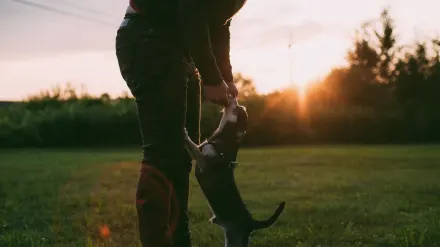
A vet-guided, step-by-step plan to build a fast, happy come-when-called in a fenced yard — from loading the cue to adding distance and distractions.
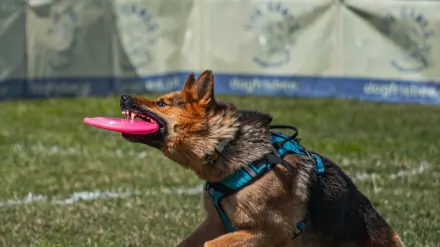
A vet-guided, step-by-step plan to teach paw handling with low-stress touches, treats, and short sessions for easier nail trims.
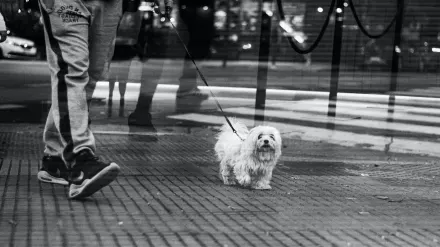
A vet-guided plan to teach a reliable leave it for dropped food, from covered treats to real-life drops.

A vet explains what makes an XL crate truly heavy-duty, how to judge steel and latches, and when to choose a different setup.
Why your dog won't listen outside the house and a practical porch-to-park plan to rebuild sit, down, and recall around real-world distractions.
A vet's practical training plan for the 10 CGC skills, with timelines, common fails, and calm handling tips.
Learn how to teach a dog to make eye contact with a calm watch-me cue, from first rewards to real-world focus around distractions.
Learn how to teach an emergency recall with a fresh cue word, high-value rewards, and low-stress practice that holds up around real distractions.
A vet's practical guide to teaching calm greetings at the door with stationing, management, and realistic timelines.
A vet-guided plan for teaching a calm mat settle with realistic timelines, reward timing, and troubleshooting.
A practical, preventive training plan for dogs with poor eyesight — scent and sound cues, home setup, and low-stress handling that may help support confidence and safety.
A vet's practical guide to low-stress vet visits — cooperative care training, mat work, handling practice, and what to do when fear takes over.
Why dogs back away from the lead and how to restart training with low-stress handling, short sessions, and realistic expectations.
A vet-counseled guide to fixing treat-grabbing, rebuilding calm delivery, and getting training moving again.
A vet's practical guide to over-arousal in training — why excited dogs refuse food and how to lower intensity, reset, and rebuild focus.
Your dog isn't stubborn — the behavior hasn't generalized. Learn how to rebuild cues outside with distance, rewards, and short sessions.
A preventive, step-by-step guide to teach your dog to ring a bell to go outside without creating endless false alarms.
A vet's practical guide to teaching voluntary check-ins on walks, with a simple checklist, timing tips, and realistic expectations.
Learn how to adapt training for hand-shy dogs with low-stress handling, consent-based cues, and realistic timelines.
A vet-counseled guide to teaching an older dog a new cue with shorter sessions, joint-friendly setups, and reinforcement that fits aging senses.
A vet's step-by-step plan to proof sit, down, and recall around other dogs using distance, duration, and calm repetition.
Why trained cues fall apart at night and how to rebuild them with voice, sound, and touch for reliable low-light response.
A vet's practical guide to proofing recalls and stays around livestock using distance, arousal management, and reward-based training.
A vet's practical guide to teaching a reliable drop and trade-up swap so your dog gives up socks, trash, and other stolen items without a chase.
A vet explains cooperative basket-muzzle training in short food-based steps, plus fit, pant room, and what to do when your dog paws or freezes.
A vet-eyed look at why short, frequent training sessions beat marathon ones — how long sessions should run by age and stage, and how to read the signs your dog's brain is done for the day.
A practical, vet-reviewed guide to how to train a deaf dog: building a marker signal, teaching attention, and using hand cues for everyday obedience.
A vet's honest comparison of puppy pads and outdoor-only potty training, with a clear recommendation for most households and the exceptions where pads still make sense.
A vet's honest look at positive reinforcement vs balanced dog training — what the research shows, where each approach earns its keep, and how to choose for the dog in front of you.
A vet-bylined comparison of long lines and retractable leashes for training — what the injury data shows, when each tool earns its place, and what to skip.
A mechanism-first guide to using a training treat pouch: placement, loading, and the reward-timing window that actually shapes behavior.
A step-by-step, vet-reviewed guide to teaching a dog to play dead using reward-based methods, built on the down cue your dog already knows.
A vet's practical, physiology-first guide to loose-leash walking — why dogs pull, which equipment actually helps, and the training sequence that sticks.
A vet's practical, step-by-step approach to crate training a puppy — sizing, timing, and what to do when it doesn't go smoothly.
A practical, age-by-age breakdown of how long a puppy or adult dog can safely stay in a crate, plus what actually happens when owners push past the limit.
A vet's honest breakdown of when group classes, private sessions, and online training each earn their cost — matched to your dog's age and behavior.
Clicker or verbal marker word — the honest answer to what actually speeds up learning, and when one genuinely beats the other for your dog.
A practical guide to house training—understanding bladder development, establishing routine, and recognizing when your puppy is ready.
A vet-reviewed, step-by-step puppy potty training schedule built around your puppy's real bladder capacity, feeding times, and early warning signs — not a generic printable.